Living Well
Helping elderly people avoid scams and fraud
Earl Estologa | Editorial Contributor
11-minute read | 05/11/2026

Many older people still see a mental health problem as something to manage quietly, rather than something to raise with a doctor. In a 2024 survey, Age UK found that 31% of people aged 50 and over, around 8 million, said that their health had gotten worse over the previous 12 months. Yet older adults remain among the least likely to get help. A 2024 study found they make up just 5.1% of referrals to NHS Talking Therapies, despite being a much larger share of the population.
This guide looks at what affects mental health in later life, how to start a conversation about it, and where to find support. That includes NHS and charity services, as well as what a live-in carer can do day to day.
Mental health problems can affect anyone, at any age. A few things make them harder to spot, and harder to treat, in older people specifically.
None of this means an older person is coping badly if they are struggling. It means the conditions around later life, like bereavement, isolation, and a culture of not discussing feelings, make poor mental health both more likely and harder to spot.
Several conditions and circumstances commonly affect older people’s mental health. Each one deserves its own space, so we cover the main ones here and link out to a deeper guide where one exists.
Depression in later life often looks different to how people expect. Rather than open sadness, it can show up as a loss of interest in usual hobbies, withdrawal from friends and family, or a drop in personal hygiene. Older adults are also less likely to be referred for talking therapies, so family and friends are often the first to notice.
Some older people are affected by seasonal affective disorder, a type of depression linked to shorter days and less daylight in autumn and winter. The same things that help with depression generally, like getting outside and keeping a routine, can help here too. It’s worth mentioning to a GP if the low mood lifts and returns with the seasons.
Depression can also be mistaken for early dementia, since the two conditions share some of the same signs and often occur together. We spoke to a Cambridge researcher about the link.
The good news is that talking therapies work well for older people, often better than for younger age groups, when they do get access to them. If a loved one seems low for more than two weeks, or the low mood keeps returning, it is worth gently raising it and suggesting a GP appointment.
Loneliness is one of the strongest risk factors for poor mental health in later life, and it can affect someone even if they see family regularly. Older people may have lost a spouse. As their closest friends pass away or move to be nearer to their families, feelings of isolation and loneliness can quickly become part of their daily life. This is especially true if they have medical conditions that make it hard for them to get out and about.
Our guide on spotting the signs of loneliness in the elderly covers how to recognise it and what tends to help, from befriending services to local social groups.
Anxiety can develop at any age, but it sometimes appears for the first time in later life. It’s often linked to a fall, a health diagnosis, or a loss of confidence after a hospital stay. Small, consistent routines and reassurance help more than trying to talk someone out of their worry. Elder’s guide to comforting words for someone with anxiety has practical phrases and approaches that avoid dismissing how someone feels.
Dementia and mental health problems often overlap. People with vascular dementia in particular commonly experience depression or anxiety alongside their diagnosis. The neurological symptoms of dementia, however, can make it harder for them to express how they feel. So a change in mood sometimes gets put down to the condition itself, rather than treated separately. Spotting the early signs of dementia matters here too, since early diagnosis opens up more support for both conditions together.
Moving into a care home is a major life event, and it can take a real emotional toll even when the move is the right decision. A 2024 UK study of residents, families and staff found that people settle in best when staff take the time to know them as an individual. Activities built around what actually matters to them make a real difference too, rather than the same generic programme for everyone. If you’re still weighing up whether a care home is the right fit, Elder’s guide on live-in care vs care homes and other care types compares the options side by side.
Starting the conversation is often the hardest part. A few things make it easier:
If they do not feel ready to talk to you, remind them that a GP is there for mental health as much as physical health, and can point them towards local support.
If a change in mood lasts more than two weeks, or keeps returning, gently ask how they are doing. Even a weekly cup of tea and a chat shows you are there.
The Silver Line is Age UK’s free, confidential helpline for older people, open 24 hours a day if they just want someone to talk to (0800 4 70 80 90). For a regular matched call, Age UK’s Telephone Friendship Service pairs them with a volunteer for a weekly chat at a set time. Reengage is another option. Local Age UK social groups run everything from walking groups to Men in Sheds.
A short walk or a trip somewhere familiar can lift mood and keep a routine in place. Many venues and attractions give an accompanying carer completely free entry when the person they support holds a disability concession, so it’s worth checking before a day out.
Getting daylight during the day helps someone feel sleepier at night. A wind-down routine, such as a bath or a hot drink, can make falling asleep easier. If your loved one is not getting enough sleep, Elder’s guide to sleep problems in the elderly explains the causes in more depth.
Even one fixed point in the day, like a short walk at lunchtime, helps stop the days blurring into one. A regular mealtime or a weekly phone call with a friend works just as well. The structure matters more than what fills it.
A GP is a common first step, and they can refer you on to NHS mental health services, including group CBT and individual talking therapy. You can find local NHS mental health services listed on the NHS website.
In England, you can also refer yourself to NHS Talking Therapies for anxiety and depression without seeing a GP first. You can find your local service and self-refer here.
Counselling isn’t just for younger adults, and GPs, the NHS and private therapists all see older clients regularly. BACP’s guide to finding a therapist lets you search by location and the reason your loved one is looking for support, and private sessions costs vary, so ask about fees upfront.
. It’s also worth checking with your local Age UK branch, since many run their own free counselling services for older people, though this varies by area.
Several charities also offer free, practical support:
Apps like Calm and Headspace can also help with sleep, anxiety and daily focus. They work best for anyone comfortable using a phone or tablet, or with a family member nearby to help them get started.
Daily life feels harder when someone lives alone, has a smaller circle of friends, or feels their health is limiting what they can do. An experienced live-in carer offers practical and emotional support together, which can make a real difference to how someone feels day to day.
A live-in carer can help with:
Elder’s guide on how live-in care can help with mental health goes into more detail on how a carer supports someone through depression, anxiety or dementia-related mental health problems specifically.
If you’re thinking about whether a carer could help keep a parent safe, our Care Advisors are happy to talk through your options.
0333 920 3648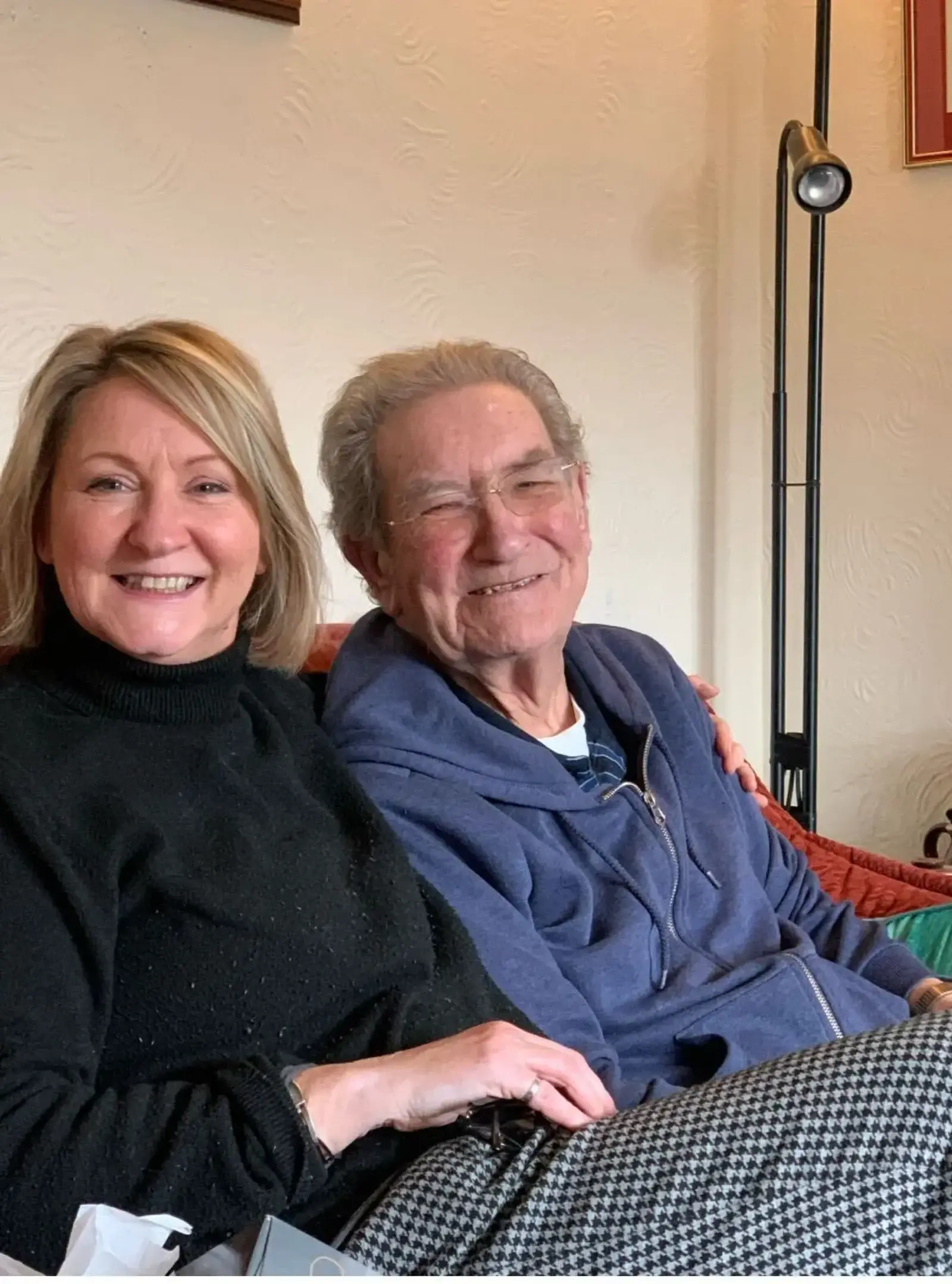
When Colin was discharged from hospital, his daughter Hayley knew he needed more than she could give alone. Live-in care let Colin stay in his own home in Warwick, with his carer Norman there every day.
Walking had always been part of Colin’s identity, and losing it after his hospital stay affected him deeply. With steady encouragement, Norman helped him build his confidence back up, a little at a time, until Colin was back out in his community again.
“It was Norman really who helped him get back on his feet,” Hayley says.
Elder is an introductory agency and therefore does not direct, control, monitor or oversee the ongoing delivery of care. This article is for general information only and is not a substitute for professional advice, which should be sought when appropriate.
Earl Estologa | Editorial Contributor

Zenya Smith | Editorial Contributor
Paola Labib | Editorial Contributor
Zenya Smith | Editorial Contributor
Mark Acheson | Editorial Contributor
Zenya Smith | Editorial Contributor