Skip to content

Live-in care vs care homes and other care types

Live-in care and care homes both offer round-the-clock support. The difference is that a live-in carer supports only your loved one, in their own home. Here's how both compare, along with nursing homes and visiting care.

Find a carer0333 920 3648
Carer holding elderly woman's hand

How does live-in care compare with the other types of care?

When choosing care for yourself or a loved one, it’s important to understand how each care option differs. Live-in care stands out as a highly personalised solution that allows people to stay in the comfort of their own home, offering one-to-one support and a familiar environment. Below is a breakdown of how live-in care compares to other common care types including care homes, nursing homes, assisted living and visiting care.

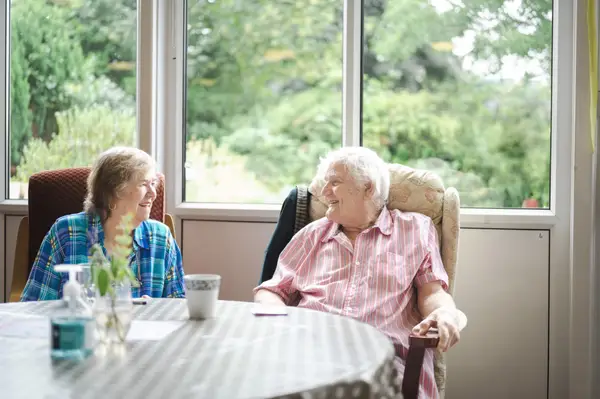
    Elderly man and woman sitting a table in a care home

    Live-in care vs care homes

    While care homes provide residential accommodation with group activities and basic medical support, they offer limited independence and personalisation. By contrast, live-in care maintains independence, provides extensive personalised support, and allows individuals to stay in a familiar home setting. Care homes typically cost £1,300 - £2,500 per week, whereas live-in care with Elder starts from £1,150 per week, depending on needs.

    Nurse assisting elderly woman in a wheelchair

    Live-in care vs nursing homes

    Nursing homes are suitable for people needing high medical support but often come with low independence and a regimented routine, typically costing £1,500+ per week. Live-in care offers a more flexible lifestyle with 1:1 companionship, tailored routines and the comfort of home, although medical support is basic unless additional nursing is arranged.

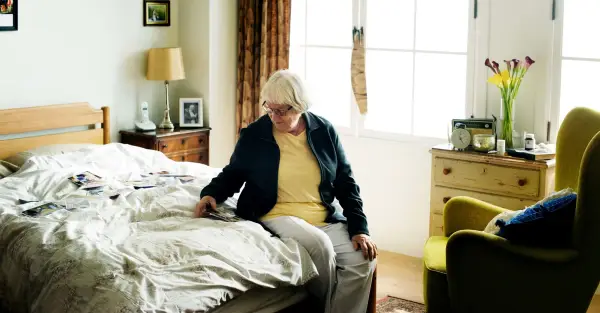
    Elderly woman sitting on her bed

    Live-in care vs assisted living

    Assisted living offers individuals a private flat with optional community activities, providing a medium level of independence. However, medical support is basic and personalisation is moderate. Costs start around £1,500+ per week plus additional fees. Live-in care offers greater personalisation, continuous support and excellent care options for couples wishing to remain together at home.

    Elderly man opening the door for his carer

    Live-in care vs visiting care

    Visiting care is more affordable starting from £30 per hour, but support is time-bound with no continuous companionship. It suits those with lower needs, but cannot match the reassurance and 24-hour presence of live-in care. Live-in care ensures ongoing support, high independence, and the ability to maintain daily routines.

Elderly woman chatting with her carer over a cup of tea

Key advantages of live-in care

  • Stay in the comfort of your own home
  • One-to-one personalised support
  • High independence and familiarity
  • Ideal for couples wishing to remain together
  • Often pet-friendly and fully tailored to lifestyle

For families seeking a balance of comfort, continuity and independence, live-in care offers a unique solution that other care types struggle to match.

Learn more about live-in care.

When is live-in care the best option?

Live-in care is particularly suitable when someone wants to remain at home but needs ongoing support with daily tasks, mobility, medication reminders or companionship. It works well for people who value independence, familiar surroundings and the emotional comfort of staying near neighbours, pets and community.

Families who don’t want the upheaval of a move to a residential facility often find live-in care an attractive solution, especially if they want peace of mind knowing someone is available day and night.

It is also one of the most practical choices when two people need support – for example, couples who wish to stay together. In this scenario, live-in care can be more cost-effective than two residential places and allows partners to maintain their shared home life.

What do families value most about live-in care?

Many families choose live-in care not only for the practical benefits, but because of the emotional comfort it brings. A dedicated carer builds a relationship over time, learning routines, preferences and communication styles. This sense of familiarity can greatly improve confidence and wellbeing – especially for individuals living with dementia or memory loss, where change and relocation can be distressing.

With one-to-one support, tasks such as cooking, washing, medication reminders and mobility help happen naturally throughout the day rather than at scheduled times. This responsive approach means care adapts as needs change rather than forcing the person to fit into a timetable.

Where you live changes the comparison

Care home fees vary a lot by region. A home in London or the South East can cost considerably more than the same standard of care elsewhere, so a UK-wide average won't tell you much about your own decision. Live-in care is shaped more by the level of care your loved one needs than by their postcode. Elder's prices start from £1,150 a week, and we'll confirm what their care would cost once we've talked through their needs.

It's worth checking what's actually available near them rather than working from a UK-wide average. Elder introduces live-in carers to families in over 500 towns and cities across Great Britain including London, Manchester, Birmingham, Edinburgh, and Glasgow.

See more of the areas we cover. If you don't see your town, get in touch, it's likely we cover it too.

Specialist live-in care options

Live-in care is highly adaptable, which makes it suitable for a wide range of needs. Specialist options include:

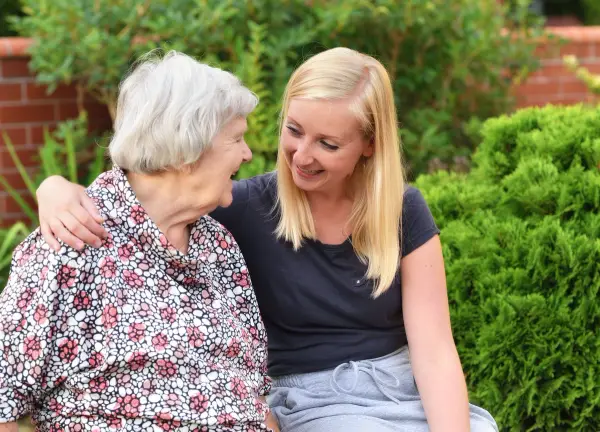
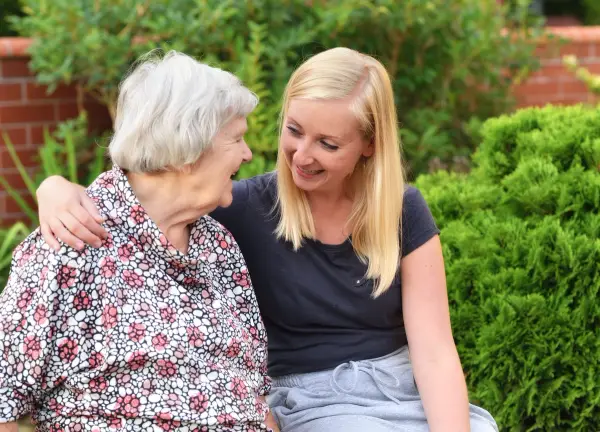
    Elderly woman and her carer in the garden

    Dementia care

    Routine, familiarity and continuity of environment often contribute to better outcomes for people with dementia. A live-in carer can reduce confusion and anxiety, support memory recall, and encourage safe engagement with daily activities.

    Learn more about dementia care.

    Two carers with a cup of tea

    24-hour care

    For those who require constant supervision, two carers can alternate shifts to ensure someone is awake and alert around the clock. This is often an alternative to nursing home admission and allows families to maintain home life even during later stages of illness.

    Learn more about 24-hour live-in care.

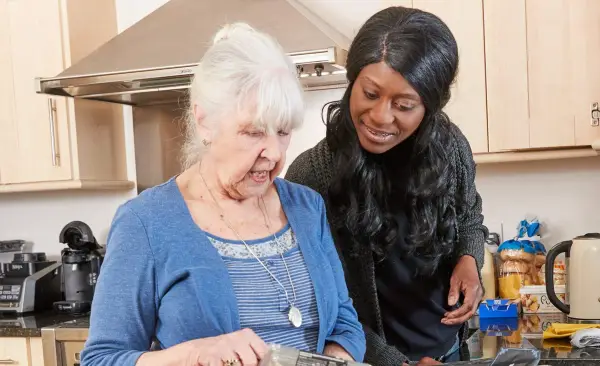
    Carer helping elderly woman in the kitchen

    Respite or short-term live-in care

    Short-term live-in care can support recovery after hospital discharge, give family carers a break, or provide interim help during periods of change or illness. It offers continuity without long-term commitment.

    Learn more about short-term care and respite care.

A carer's hand holding the hand of an elderly woman

When might another type of care be more appropriate?

While live-in care is flexible and personal, it isn’t always the perfect fit for every situation. People with complex, unpredictable or advanced medical needs may require the clinical oversight that nursing homes provide. Assisted living may appeal to those who enjoy community living but still want their own space, while visiting care suits those who only need light or occasional help.

Choosing between options often comes down to:

  • The level of medical or nursing care required
  • Whether someone prefers independent living or communal support
  • Budget and funding availability
  • Personality, lifestyle and emotional wellbeing
  • Proximity to family, friends, home comforts and pets.

The right care type aligns with not only practical needs, but quality of life and personal preference.

Care home vs nursing home: what's the difference?

A residential care home supports people with daily living: washing and dressing, meals, and company through the day. A nursing home does all of that and has registered nurses on site 24 hours a day. They can manage ongoing clinical needs like complex wound care, PEG feeding, or a condition that's changing week to week. Nursing homes cost more as a result.

Both are usually just called "care homes" in conversation, so it's worth checking which type you're actually looking at when you compare quotes.

If a clinical need is what's tipping the decision, some nursing tasks can be arranged at home alongside live-in care rather than needing a move at all.

Read more about arranging nursing care at home.

But is care at home as reliable as a care home?

It's the question most families ask us at this point, and it's a fair one. A care home has staff on site around the clock and a rota that doesn't depend on one person. Here's how live-in care covers the same ground.

Daughter taking notes with elderly parents

How to decide which care option is right

If you’re weighing up live-in care against other solutions, consider asking:

How much support is needed daily and overnight?

Occasional help often suits visiting care; ongoing support points towards live-in care or residential options.

Is staying at home a priority?

If remaining in familiar surroundings is important, live-in care allows just that.

Are social activities or a community environment desired?

Assisted living or care homes provide structured social interaction if independence is less important.

Does the person have high medical needs?

A nursing home or 24-hour live-in structure may be more suitable if medical backups are essential.

How does cost compare with value?

While prices vary, live-in care can be competitive (especially for couples) when compared with separate residential costs.

Every care option offers benefits – but for those who want independence, familiarity and ongoing support tailored to their lifestyle, live-in care provides a level of personalisation and comfort that other settings often can’t match. It allows people to continue living life on their own terms, surrounded by memories, community and home.

FAQs about live-in care vs other types of care

0333 920 3648

Learn more about live-in care and other types of care